No, metal roofs do not make your house hotter. Properly installed metal roofing reflects more solar heat than asphalt shingles and releases absorbed heat faster. In most cases, a metal roof keeps your home cooler, lowers cooling costs, and may reduce your insurance premium.
Many Beltsville homeowners ask the same question before switching roofing materials. Do metal roofs make your house hotter, or is that just an old myth? Bright View Exteriors breaks down the real science behind metal roofing and summer heat.
Do Metal Roofs Make Your House Hotter? The Science Explained
Metal roofs do not make your house hotter when installed correctly. This is one of the most persistent myths in residential roofing.
The confusion comes from touching a hot metal panel and assuming that heat transfers straight into your attic.
Surface Temperature Is Not the Same as Heat Gain
A metal roof can reach about 145 degrees Fahrenheit in direct summer sun. Black asphalt shingles often reach 168 degrees or higher under the same conditions. Shingles absorb more solar energy overall. They simply feel cooler to the touch because asphalt conducts heat slowly.
What matters most is thermal emittance, or how fast a material releases absorbed heat. Metal has low thermal mass and high emittance, so it sheds heat quickly once direct sunlight passes. Asphalt shingles hold heat longer. They radiate it into your attic for hours after sunset.
Solar Reflectance Index (SRI) and Why It Matters
Roofing materials carry an SRI rating that measures reflected versus absorbed solar energy. A higher SRI means more sunlight is reflected and less heat is absorbed.
- Higher SRI: cooler surface, less heat transfer
- Lower SRI: hotter surface, more heat transfer
- Factory-finished metal panels typically carry a higher SRI than standard dark shingles
- Stone-coated steel systems use granule coatings engineered to reflect solar radiation
Do Black Metal Roofs Make a House Hotter?
Color affects heat absorption on every roofing material, including metal. A black metal roof absorbs more solar energy than a white or light gray metal roof of the same gauge.
This is simple building science, not marketing spin.
Even so, a black metal roof still outperforms a black asphalt shingle roof in most cases. Metal’s low thermal mass means it releases absorbed heat quickly once the sun moves or sets.
Asphalt shingles continue radiating heat into the attic for hours longer.
Homeowners who want a dark roof without sacrificing performance have real options.
- Cool-roof pigment technology reflects more infrared radiation than standard dark finishes
- Above-sheathing ventilation creates an air gap that releases hot air before it reaches the insulation
- Proper ridge and soffit ventilation improves performance regardless of roof color
Do Metal Roofs Really Keep Your House Cooler Than Shingles?
In side-by-side comparisons, homes with metal roofing typically show lower attic temperatures than homes with asphalt shingles. Three factors explain this difference.
- Reflectivity: metal panels bounce back more solar radiation than granulated shingles
- Emittance: metal releases stored heat rapidly, while shingles radiate heat for hours
- Ventilation compatibility: metal systems work well with above-sheathing airflow, but shingles typically cannot
For two-story homes across Beltsville, this difference is noticeable upstairs during peak summer heat. Attic temperature directly affects comfort in the rooms below it.
Will a Metal Roof Lower My Air Conditioning Bills?
Most homeowners who switch from shingles to reflective metal roofing see lower summer cooling costs. Industry data commonly cites a 10 to 25 percent reduction in cooling load.
The exact savings depend on several factors.
- Roof color and reflectivity rating (SRI)
- Attic insulation levels (R-value)
- Ventilation quality, including ridge and soffit vents
- Roof pitch and orientation to afternoon sun
- Local climate and average summer temperatures
Your air conditioning system runs fewer hours when less heat transfers through the roof deck. Over a full Mid-Atlantic summer, that adds up on your electric bill.
It also reduces wear on your HVAC equipment over time.
How Much Hotter Do Dark Shingles Get Compared to Light Ones?
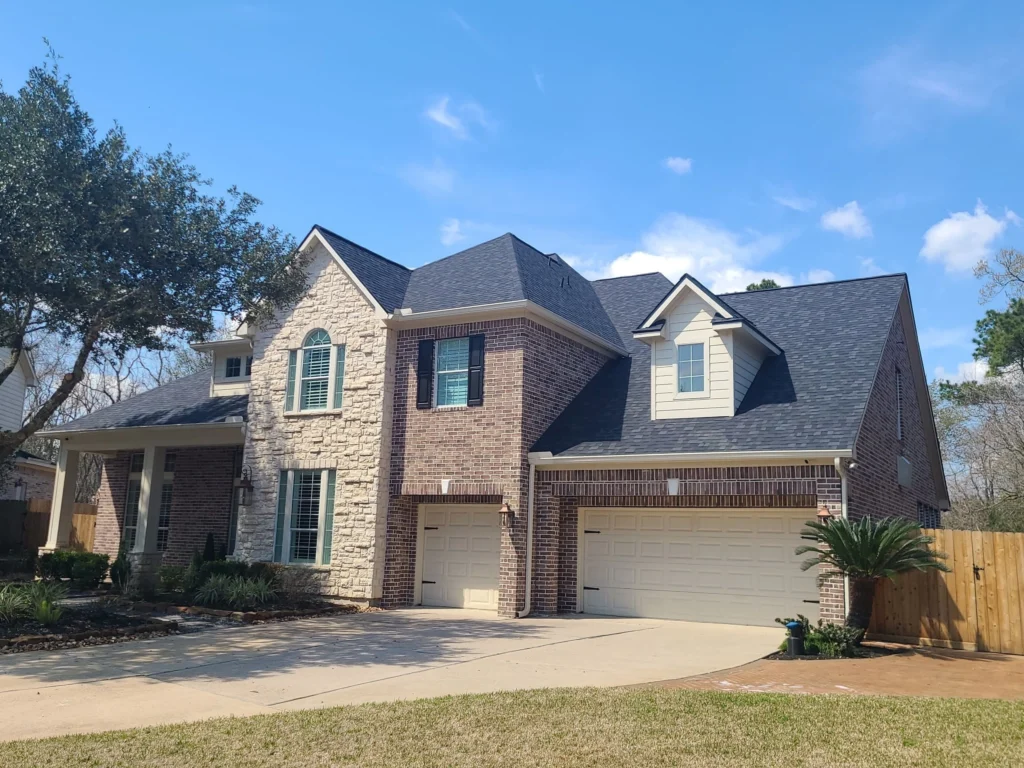
Roof color affects heat absorption across every material, not just metal. On a typical 90-degree day, dark asphalt shingles can run 20 to 40 degrees hotter than light shingles.
That heat difference transfers directly into your attic space.
If your current roof uses dark shingles, this matters for your decision. A metal upgrade offers both a lighter effective heat load and faster heat release.
Does a Metal Roof Lower Your Insurance? How Much Can You Save?
Yes, in most cases, a metal roof can lower your homeowners insurance premium. Insurance companies price policies based on risk, and metal roofing reduces several risk categories at once.
- Fire resistance: metal carries a Class A fire rating, the highest available
- Wind resistance: standing seam and stone-coated systems resist uplift in severe storms
- Impact resistance: many metal products carry a UL 2218 Class 4 rating
- Longevity: a 40- to 70-year lifespan lowers the odds of a weather-related claim
Because of this reduced risk, many insurers offer discounts between 5 and 35 percent on dwelling coverage. The exact percentage depends on your insurer, location, and documented roof ratings.
Always confirm details directly with your insurance agent.
- Contact your insurance agent before installation to confirm eligibility
- Request written confirmation of your discount after installation
- Keep your Class 4 rating certificate and manufacturer’s documentation on file
Why Choose Bright View Exteriors
Bright View Exteriors is a licensed roofing and storm restoration contractor headquartered in Beltsville, Maryland. We serve homeowners and commercial property owners across Maryland, Virginia, and Pennsylvania.
What sets our team apart:
- 4.9-star Google rating from 130-plus verified local reviews.
- 45+ years of combined team experience in residential and commercial roofing.
- Free, no-pressure storm inspections are scheduled fast across our service area.
- In-house insurance claim assistance: we meet with your adjuster and document the damage.
- Transparent, upfront pricing with financing options when needed.
- Manufacturer-certified installations with extended workmanship warranties.