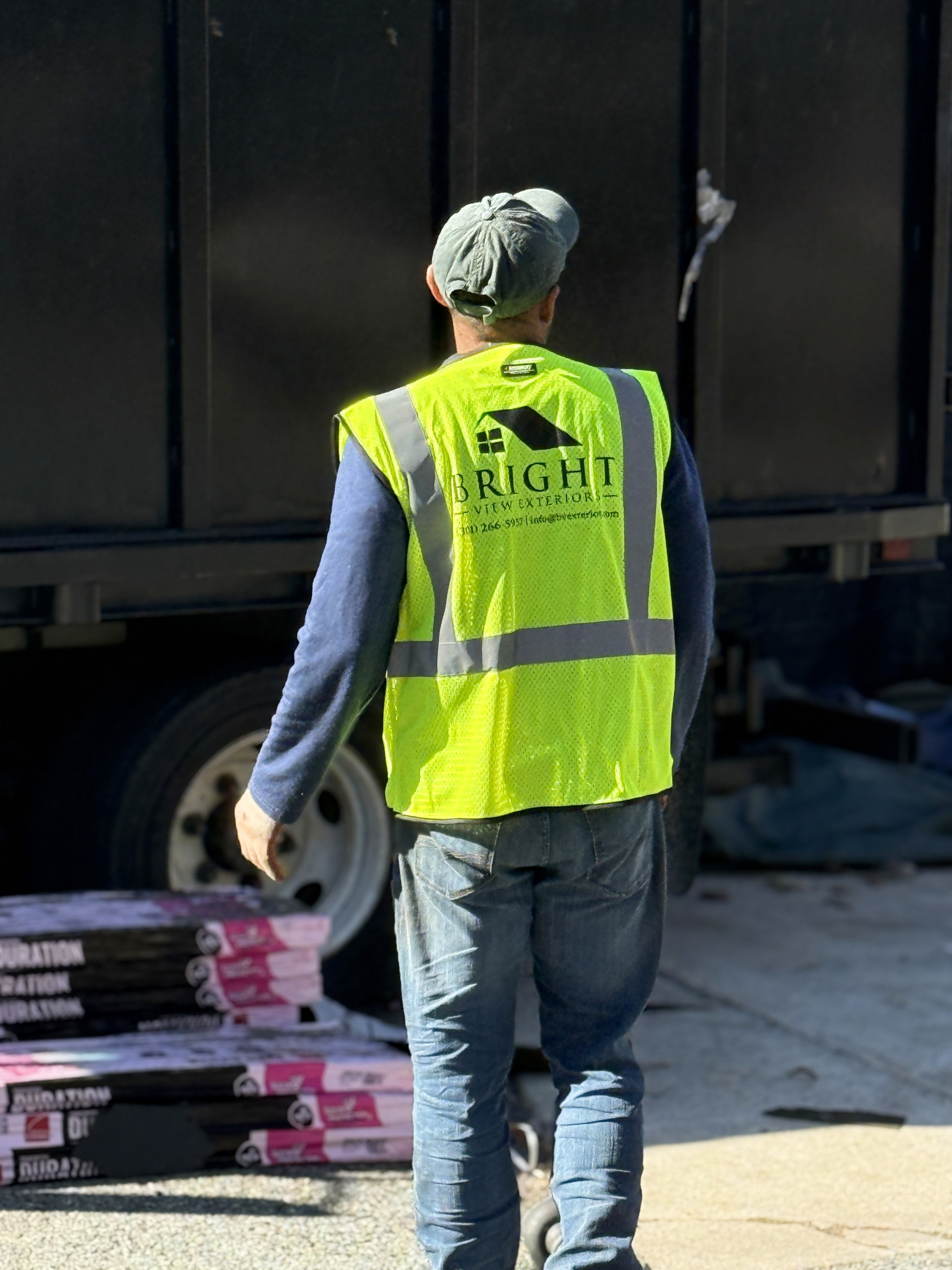
Should You Replace Your Roof in Winter? Pros and Cons
Many homeowners assume that roofing work can only happen during warm, sunny months. But what if your roof is damaged and winter is already here? Or what if you're planning ahead and want to take advantage of off-season pricing? The truth is, replacing your roof in winter is absolutely possible—and in some cases, it might even work in your favor. However, there are important factors to consider before scheduling winter roofing work.
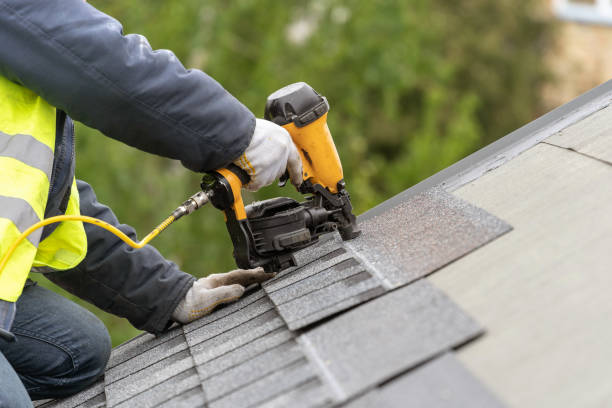
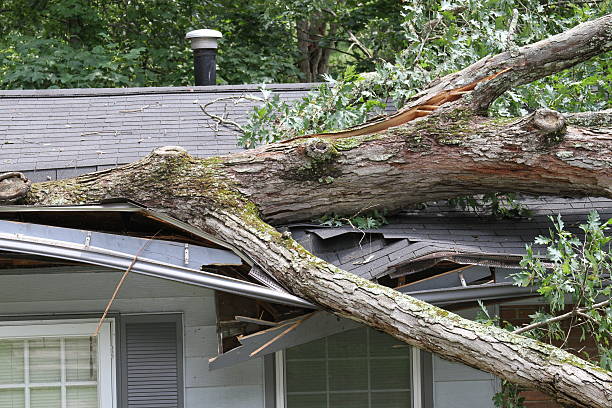
The Pros of Winter Roof Replacement: One of the biggest advantages is availability and pricing. Roofing companies are typically less busy during winter months, which means you'll likely get scheduled faster and may even negotiate better rates. You won't be competing with the spring and summer rush when everyone suddenly realizes they need roof work. Additionally, modern roofing materials and installation techniques have evolved to handle cold weather effectively. Asphalt shingles, for example, can be installed in temperatures as low as 40°F with proper sealing techniques, and metal roofing can be installed year-round regardless of temperature. If your roof is leaking or damaged, waiting until spring could mean months of worsening damage to your home's interior, insulation, and structure—making winter replacement the smarter choice despite the season.
The Cons and Considerations: Winter roofing does come with challenges. Extremely cold temperatures (below 40°F) can make asphalt shingles brittle and harder to seal properly, requiring special adhesives and careful handling. Shorter daylight hours mean work crews have less time each day to complete the project, potentially extending the timeline. Snow, ice, and wet conditions can also delay work and create safety concerns for installation crews. Additionally, not all roofing materials perform well in cold weather installations—some require specific temperature ranges for proper adhesion and sealing. The key is working with experienced professionals who understand how to adapt their techniques for winter conditions.
So should you replace your roof in winter? If you have active leaks, significant damage, or can't wait until spring, absolutely. If it's purely elective and your roof is in decent shape, you might prefer to wait for ideal weather—but don't let the season stop you if the timing is right. At BV Exterior, we have the experience and expertise to safely install roofs year-round, using cold-weather techniques that ensure your new roof performs just as well as one installed in summer. Visit bvexterior.com to learn more about our winter roofing services and see examples of successful cold-weather installations. Ready to discuss your roof replacement? Schedule your free consultation at bvexterior.com today—because your roof doesn't care what season it is when it starts leaking.