How to Choose a Roofing Contractor (Red Flags to Avoid)
Choosing the right roofing contractor is one of the most important decisions you'll make as a homeowner. Your roof protects everything you own, and a bad contractor can leave you with subpar work, cost overruns, warranty issues, or even legal problems. Unfortunately, the roofing industry has its share of dishonest operators, fly-by-night companies, and inexperienced crews. Knowing what to look for—and what to avoid—can save you thousands of dollars and ensure your roof is installed correctly the first time.
Red Flags That Should Make You Walk Away: If a contractor knocks on your door unsolicited after a storm offering "free inspections" and pushes you to sign immediately, be very cautious. While legitimate companies do offer storm damage assessments, high-pressure tactics and urgency are classic signs of storm chasers who may do poor work and disappear when problems arise. Always be wary of contractors who ask for large upfront payments (50% or more) before work begins—reputable companies typically ask for a small deposit or payment upon completion. If a contractor doesn't have proper licensing, insurance, or can't provide proof of workers' compensation coverage, walk away immediately. You could be held liable if an uninsured worker is injured on your property. Another major red flag is a contractor who discourages you from getting multiple quotes or speaks negatively about all competitors—confident professionals welcome competition because they know their work speaks for itself. Be suspicious of bids that are dramatically lower than others (usually means cutting corners or using subpar materials) or quotes given without a thorough inspection of your roof. Finally, if the contractor doesn't provide a detailed written contract outlining scope of work, materials, timeline, payment schedule, and warranty information, don't hire them.
What Good Roofing Contractors Do Differently: Reputable contractors provide clear, detailed written estimates that break down materials, labor, and timeline. They carry proper licensing for your state, liability insurance, and workers' compensation coverage—and they'll gladly provide proof. Good contractors have verifiable local references, online reviews, and examples of completed work you can see. They explain the roofing process, answer your questions patiently, and never pressure you into immediate decisions. They use quality materials from reputable manufacturers and can explain why they recommend specific products for your situation. Professional contractors also pull proper building permits (when required), conduct thorough inspections before quoting, and offer clear warranties on both materials and workmanship. They communicate proactively throughout the project, keep job sites clean, and address any concerns promptly and professionally.
Questions to Ask Before Hiring: Always ask how long they've been in business and if they're locally established (not just in town for storm work). Request proof of licensing, insurance, and workers' comp. Ask for at least three local references from jobs completed in the last year, and actually call them. Find out who will be doing the work—employees or subcontractors—and ensure whoever is on your roof is covered by insurance. Clarify the warranty terms for both materials and labor, and get everything in writing. Ask about their process for handling unexpected issues or additional costs that arise during the project.
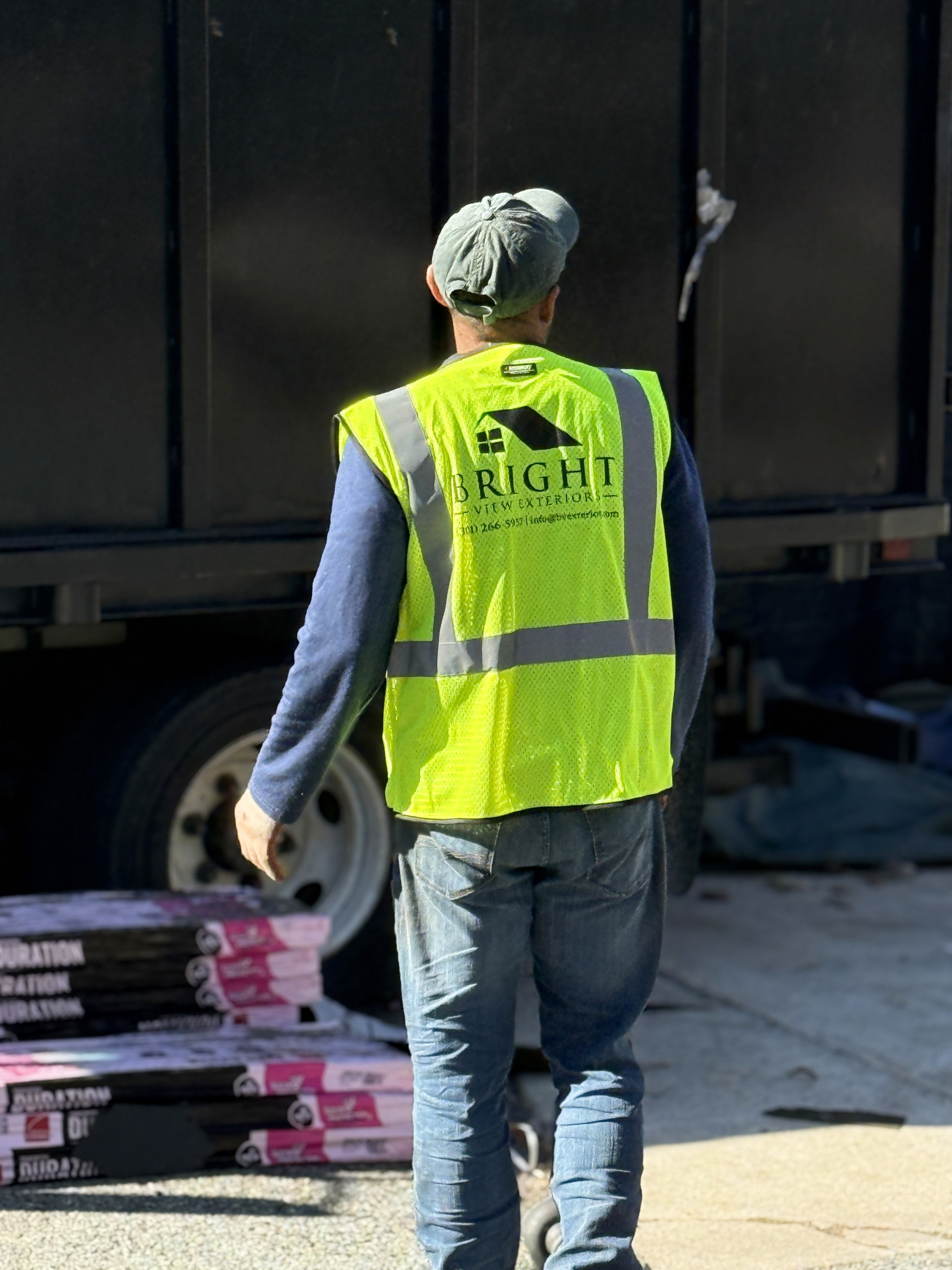
At BV Exterior, we've built our reputation on transparency, quality workmanship, and treating every home like it's our own. We're fully licensed and insured, we provide detailed written estimates, and we stand behind our work with comprehensive warranties. Visit bvexterior.com to see our credentials, read reviews from real customers, and view our portfolio of completed projects. Ready to work with a roofing contractor you can trust? Schedule your free, no-pressure consultation at bvexterior.com today. Your roof—and your peace of mind—deserve nothing less than the best.