How Much Snow Can Your Roof Actually Handle?
When snow starts piling up on your roof during a heavy winter storm, it's natural to wonder: how much is too much? While most residential roofs are built to handle typical snowfall for their region, understanding your roof's weight capacity can prevent dangerous situations like structural damage or even roof collapse. The answer isn't as simple as "X inches of snow"—because not all snow weighs the same.
Understanding Snow Load and Roof Capacity: Roofs are designed with a specific "snow load" capacity measured in pounds per square foot (PSF). Building codes require roofs to handle a certain amount based on local climate data, typically ranging from 20 PSF in mild climates to 50+ PSF in areas with heavy snowfall. However, the weight of snow varies dramatically depending on its type and moisture content. Light, fluffy powder snow weighs about 3-7 pounds per cubic foot, while wet, heavy snow can weigh 12-20 pounds per cubic foot. Packed or compacted snow weighs even more, and ice can weigh up to 60 pounds per cubic foot. This means that 12 inches of light, powdery snow might only add 5-15 PSF to your roof, but 12 inches of wet, heavy snow could add 20-40 PSF—a huge difference that could push your roof to its limit.
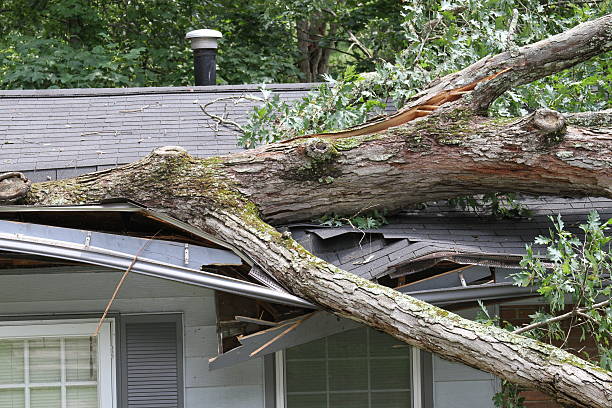
Warning Signs Your Roof Is Overloaded: Most homeowners don't have a way to precisely measure the weight on their roof, so it's important to recognize warning signs of stress. Listen for cracking, popping, or creaking sounds coming from your roof or ceiling—these can indicate structural strain. Look for sagging in the roof deck, ceiling, or rafters, especially in the center of large spans. Doors and windows that suddenly stick or won't close properly can signal that your home's structure is shifting under weight. Cracks appearing in interior walls or ceilings, particularly near the center of rooms, are red flags. If you notice any of these signs, it's time to safely remove snow from your roof or call professionals immediately.
When and How to Remove Snow Safely: If you're concerned about snow accumulation, use a roof rake with an extended handle to remove snow from the ground—never climb onto a snow-covered roof yourself, as it's extremely dangerous. Focus on removing the first 3-4 feet of snow from the roof edges to prevent ice dams, and try to remove snow in layers rather than all at once to avoid shocking the structure. If you have a flat roof, steep roof, or concerns about structural integrity, always call professionals for safe snow removal.
At BV Exterior, we help homeowners assess their roof's condition before and after major snow events. If you're concerned about your roof's ability to handle heavy snow, or if you've noticed any warning signs, don't wait. Visit bvexterior.com to schedule an emergency roof inspection, or call us immediately if you suspect structural issues. Your safety comes first—let the experts at bvexterior.com give you peace of mind this winter.