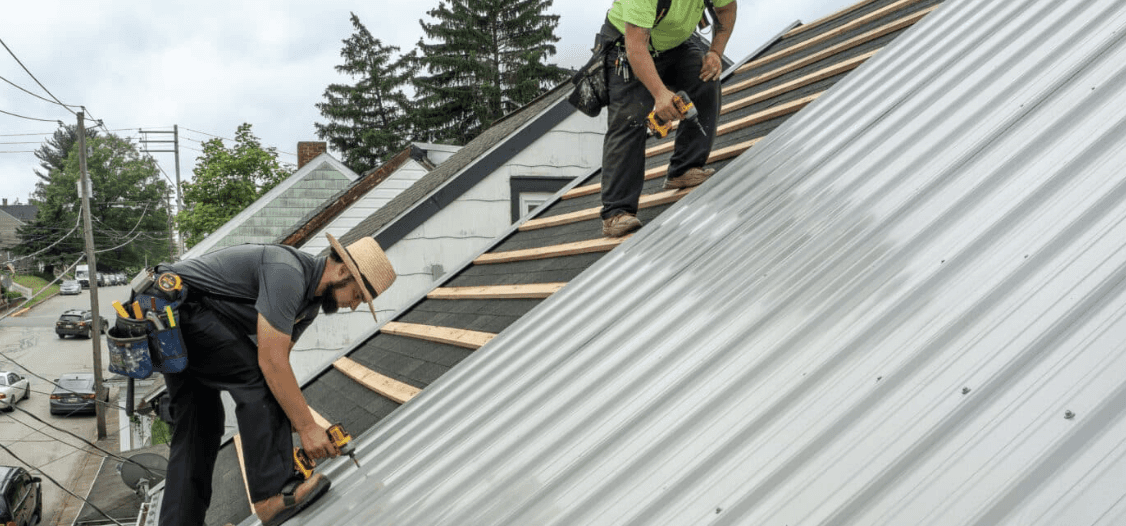
How Do You Install Steel Roofing? What Every Homeowner Should Know
So you're thinking about steel roofing. Smart move. Maybe you're tired of replacing asphalt shingles every 20 years, or you got hammered by the last hailstorm and you're done playing defense with your roof. Steel (or metal—same thing, different names) is one of the best investments you can make for your home.
But here's the thing: installing steel roofing is NOT a DIY project, and it's not something you want just any roofer handling. This isn't slapping down shingles. It requires specific skills, specialized tools, and experience with how metal behaves in different weather conditions.
Let's break down how steel roofing installation actually works—so you know what you're paying for and can spot a contractor who knows their stuff from one who's winging it.
Why Steel Roofing Installation Is Different
Installing steel roofing is a completely different ballgame than asphalt shingles. Metal panels expand and contract with temperature changes. Fasteners have to be placed precisely or you'll get leaks. One wrong cut and you've wasted an expensive panel.
This is why you'll pay more for installation—and why you should. A properly installed steel roof will outlast you in your home. A poorly installed one will leak, rust, and make you regret every penny you spent.
Step 1: Prep Work and Roof Deck Inspection
Before a single piece of steel goes up, your contractor needs to prep properly.
Tear-off (usually). Most steel roofing goes over a clean roof deck. That means stripping off your old shingles, underlayment, everything down to the wood. Some contractors will tell you that you can install over existing shingles—and technically you can—but it's not ideal. Trapped moisture, hidden damage, and uneven surfaces cause problems down the road.
Deck inspection and repair. Once the old roof is off, we're looking at your decking. Any rotted or damaged plywood gets replaced. Steel roofing is only as good as what's underneath it. In Maryland's humid climate, we often find moisture damage that homeowners had no idea was there.
Ensure proper ventilation. This matters MORE with steel than with shingles. Metal roofs can create condensation issues if ventilation isn't right. Ridge vents, soffit vents—the whole system needs to work together or you'll have moisture problems in your attic.
Step 2: Installing Underlayment (Don't Skip This)
Some contractors try to cut corners here. Don't let them.
Synthetic underlayment is the standard for steel roofing. It goes over your entire roof deck and acts as a secondary water barrier. In Maryland, we're also installing ice and water shield at the eaves (required by code) and in valleys where water concentrates.
This layer protects you if water somehow gets under your metal panels—which it shouldn't, but weatherproofing is about layers of protection.
Some people think, "It's metal, it's waterproof, why do I need underlayment?" Because metal panels expand and contract. Fastener holes exist. Wind-driven rain is a thing. The underlayment is your insurance policy.
Step 3: Installing Drip Edge and Trim
Before panels go up, all your edges need metal trim pieces.
Drip edge goes around the perimeter of your roof. It directs water away from your fascia and into your gutters. Rake trim covers the angled edges. Ridge caps will go on last, but we're measuring and prepping them now.
Getting trim right is where you see the difference between a pro and an amateur. Poorly fitted trim looks bad and creates entry points for water and pests.
Step 4: Laying Out and Installing the Steel Panels
This is where experience really matters.
Standing Seam vs. Screw-Down Panels
Standing seam metal roofing is the premium option. Panels interlock along raised seams, and fasteners are hidden underneath. This allows the metal to expand and contract freely, which means fewer leaks and longer lifespan. It looks sleek and modern—this is what you see on high-end homes.
Screw-down panels (also called exposed-fastener panels) are more economical. Screws go through the panels directly into the roof deck. They're visible, and over time, those penetrations can develop leaks as rubber washers degrade and metal expands. These work fine for barns and outbuildings, but for your home? Standing seam is worth the investment.
Panel Installation Process
Measuring and cutting. Panels are custom-cut to your roof's exact measurements. Every roof is different—valleys, hips, dormers, chimneys. One mistake means wasted material and delays.
Starting at the eave. The first panel has to be perfectly aligned. If it's off even slightly, every panel after it will be off, and you'll have a crooked roof. We use chalk lines and double-check measurements.
Overlapping and fastening. Panels overlap according to manufacturer specs (usually 6-12 inches depending on roof pitch). For standing seam, hidden clips attach panels to the deck while allowing movement. For screw-down, fasteners go through the raised ribs with rubber-washered screws—never in the flat pan where water runs.
Cutting around penetrations. Vents, chimneys, skylights—these all need custom flashing and careful cutting. This is where hack jobs fall apart. Proper metal roofing contractors know how to flash penetrations so they never leak.
Step 5: Flashing and Sealing
Flashing makes or breaks a metal roof. This is where water tries to sneak in, and this is where bad contractors fail.
Valley flashing directs water flow where two roof planes meet. It has to be wide enough and properly sealed.
Chimney flashing requires counter-flashing that tucks into the chimney and overlaps the roof panels. This is multi-layered work.
Vent pipe boots for steel roofs are different than for shingles. Metal-compatible boots with EPDM rubber seals are critical.
Butyl tape and sealant go at all seams and potential leak points. Quality sealants rated for metal roofing last decades. Cheap caulk fails in a few years.
Step 6: Ridge Caps and Final Details
The ridge cap is the crowning piece—literally. It runs along the peak of your roof and has to allow for ventilation while keeping weather out.
For standing seam roofs, ridge caps snap or screw onto the top, matching your panel profile. They're pre-bent to your roof's specific angle.
Proper ventilation at the ridge is crucial. Vented ridge caps let hot air escape from your attic while keeping rain and snow out. This is non-negotiable in Maryland's climate.
Step 7: Final Inspection and Cleanup
A good contractor walks the roof with you (or shows you detailed photos) to inspect every detail. All fasteners secure? Flashing sealed properly? Trim tight and clean? No gaps or lifted panels?
Cleanup matters. Metal scraps are sharp. Contractors should use magnets to collect any dropped screws or fasteners. Your yard should look like we were never there—except for your awesome new steel roof.
What Makes Steel Roofing Installation Different in Maryland?
Maryland's weather requires specific considerations for steel roofing:
Thermal expansion. Our temperature swings from below freezing to 95°+ mean metal expands and contracts significantly. Fastening systems must accommodate this movement or panels will buckle and fasteners will pop.
Snow load and ice dams. Western Maryland gets serious snow. Steel roofing sheds snow beautifully—sometimes too beautifully. Snow guards prevent dangerous avalanches. The smooth surface also eliminates ice dams since snow slides off before it can melt and refreeze.
Humidity and condensation. Proper underlayment and ventilation prevent condensation from forming under your metal roof. This is critical in Maryland's humid summers.
Coastal considerations. Near the Chesapeake Bay or Eastern Shore, salt air can corrode certain metals. Galvanized steel or aluminum with protective coatings hold up better in these areas.
How Long Does Installation Take?
For an average Maryland home (2,000 sq ft), professional steel roofing installation typically takes 3-5 days. Complex roofs with multiple valleys, dormers, and features take longer.
This is slower than asphalt shingle installation, but the precision required is much higher. Rushing metal roofing leads to expensive mistakes.
What Should Steel Roofing Installation Cost?
In Maryland, expect to pay $12-$25 per square foot installed for quality steel roofing. Standing seam runs higher than screw-down panels.
For that typical 2,000 sq ft home, you're looking at $24,000-$50,000 depending on:
Panel style (standing seam vs. exposed fastener)
Metal type (galvanized steel, aluminum, copper)
Roof complexity
Your location in Maryland
Any structural repairs needed
Yes, it's more expensive than asphalt. But you're installing a roof that lasts 40-70 years, saves on energy costs, never needs replacement, and handles Maryland weather like a champ.
DIY Steel Roofing? Please Don't
We've seen homeowner DIY attempts. They don't end well.
Metal roofing requires specialized tools—metal brakes, nibblers, seaming tools. The panels are heavy and awkward to maneuver. One slip and you're sliding off the roof or bending a $400 panel. Improper fastening creates leaks that won't show up until water damage is extensive.
This is one of those projects where saving money upfront costs you way more in the long run. Hire professionals who do this for a living.
Questions to Ask Your Steel Roofing Contractor
Before you hire anyone for steel roofing installation, ask:
"How many steel roofs have you installed?" You want someone with specific metal roofing experience, not a shingle guy trying something new.
"Standing seam or exposed fastener—which do you recommend and why?" Listen to their reasoning. They should explain pros and cons honestly.
"What type of underlayment and ventilation will you install?" If they say "same as shingles" or seem vague, that's a red flag.
"Can I see photos of completed steel roof projects?" Look for clean lines, tight flashing, professional finish work.
"What's your warranty on installation?" Material warranties are great, but workmanship warranties matter too. We stand behind our work for years because we know it's done right.
The Bottom Line
Installing steel roofing isn't rocket science, but it requires skill, experience, and attention to detail that separates great roofs from problem roofs. The process—prep, underlayment, trim, panels, flashing, finishing—has to be executed correctly at every step.
Done right, a steel roof is the last roof you'll ever install. It laughs at hail, sheds snow, reflects summer heat, and looks sharp for decades. Done wrong, it's an expensive nightmare.
Thinking about steel roofing for your Maryland home? Let's talk. Visit bvexterior.com or give us a call for a free consultation. We'll walk you through the process, answer your questions honestly, and show you exactly what professional steel roofing installation looks like.
Because you deserve a roof that performs as good as it looks—for the next 50 years.